Darknet Markets 2026:
The dark web is part of the deep web but is built on darknets: overlay networks that sit on the internet but which can't be accessed without special tools or software like Tor. Tor is an anonymizing software tool that stands for The Onion Router — you can use the Tor network via Tor Browser.
| Darknet Market | Established | Total Listings | Link |
|---|---|---|---|
| TorZon Market | 2022 | 140+ | Onion Link |
| Nexus Market | 2024 | 600+ | Onion Link |
| Abacus Market | 2022 | 100+ | Onion Link |
| Ares | 2026 | 100+ | Onion Link |
| Cocorico | 2023 | 110+ | Onion Link |
Updated 2026-10-25
How to Shop Safely for Drugs on the Darknet
Finding trusted vendors is the first critical step for secure shopping on a darknet market. Users rely on the platform's built-in feedback and rating systems, where every completed transaction contributes to a vendor's public reputation. A vendor with a long history and thousands of positive reviews is generally considered more reliable than a new account. This transparent, crowd-sourced data allows buyers to make informed decisions based on the experiences of others, directly assessing a seller's consistency in product quality, shipping speed, and communication.
Safe shopping practices extend beyond selecting a vendor. The escrow service is a fundamental security feature. When an order is placed, the buyer's cryptocurrency is held in escrow by the market's automated system. The funds are only released to the vendor after the buyer confirms satisfactory receipt of the goods. This mechanism protects buyers from scams by ensuring vendors must deliver as promised to get paid. For additional security, many experienced users engage in multisignature (multisig) escrow, which requires two out of three cryptographic keys to release funds, further reducing reliance on the market's central escrow.
Direct and encrypted communication is also essential. Before or after a purchase, buyers use the market's internal PGP-encrypted messaging to contact vendors. This secures conversations about order details or shipping, protecting both parties' privacy. A vendor's use of a consistent and verifiable PGP key across transactions is another strong indicator of their legitimacy and operational security.
The process is methodical:
- Analyze vendor profiles, focusing on review count, overall rating, and specific product feedback.
- Read recent negative reviews to identify any emerging issues with shipping or quality.
- Always use escrow and avoid vendors who pressure for "finalize early" transactions.
- Verify the vendor's PGP key to ensure encrypted communication is secure.
- Start with a small test order to personally verify a new vendor's service before larger purchases.
How Escrow Makes Buying and Selling Safer on the Darknet
Establishing trust between anonymous parties is the fundamental challenge for darknet commerce. The escrow system directly solves this by acting as a neutral third party that holds the buyer's payment until the product is received and confirmed. This mechanism creates a secure environment for transactions that would otherwise carry high risk.
For the buyer, escrow provides a powerful guarantee. Funds are only released to the vendor after the buyer confirms satisfactory delivery, which mitigates the risk of exit scams or receiving substandard products. This security encourages market participation and allows buyers to engage with new vendors more confidently. For sellers, a robust escrow system signals market integrity, attracting more customers and facilitating higher sales volumes. It proves that a transaction was initiated and provides a clear, rule-based framework for resolving disputes without resorting to public threats or unreliable methods.
The typical process involves several clear steps:
1. A buyer places an order and sends payment into the market's escrow wallet.
2. The vendor is notified and ships the product.
3. Upon receipt, the buyer finalizes the order, triggering the release of escrowed funds to the vendor.
4. If a dispute arises, market moderators can review communication and evidence before deciding to release funds to either party or enact a compromise.
This system's effectiveness is enhanced by its integration with vendor feedback and ratings. A vendor with a long history of successfully completed escrow transactions builds a reputation for reliability. Buyers can then make informed decisions, often choosing to use finalize early options for trusted vendors, which releases funds faster and strengthens that business relationship. Thus, escrow is not just a transactional tool but the core component that enables the reputation-based economy of darknet markets to function efficiently and with a remarkable degree of security for all involved parties.
How Darknet Feedback Ensures Product Quality
Feedback systems on darknet markets function as a decentralized quality assurance mechanism, directly replacing the regulatory frameworks found in conventional commerce. Every completed transaction allows the buyer to leave a detailed review and a numerical rating, typically on a scale from one to five stars. This creates a transparent and continuously updated reputation score for each vendor, which is publicly displayed on their profile.
The content of reviews goes beyond simple satisfaction, often including specific data points that future buyers find critical. Reviewers routinely comment on:
- The precise chemical purity or expected potency of the product.
- The accuracy of the advertised weight or quantity.
- The professionalism and discretion of the shipping and packaging.
- The speed of delivery relative to the promised shipping method.
This collective intelligence mitigates the inherent risk of anonymous trade. A vendor with a long history of high ratings and consistent positive feedback establishes market trust, allowing them to command premium prices. Conversely, a pattern of negative reviews highlighting underweight orders or misrepresented products leads to a rapid decline in reputation and loss of business. The system is self-reinforcing; buyers are incentivized to leave honest feedback to maintain their own standing as reliable reporters within the community, while sellers are compelled to maintain high standards to preserve their valuable reputation capital. This effective use of crowdsourced verification is a primary reason these markets can facilitate secure and predictable transactions for all participating parties.
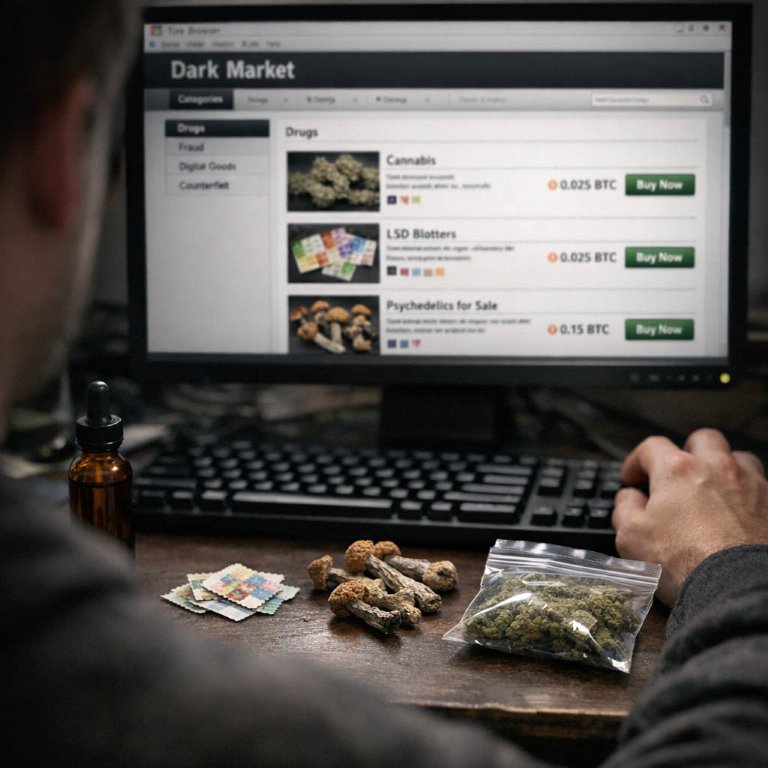
How Decentralization Makes Darknet Trade Reliable
The operational resilience of darknet markets is fundamentally tied to their decentralized architecture. Unlike traditional e-commerce platforms, these markets do not rely on a single server or a central company. The marketplace software and its vendor storefronts, product listings, and user feedback are hosted across a distributed network, often using hidden services on the Tor network. This structure means there is no single point of failure for law enforcement to target. If one node or server is taken offline, the marketplace can quickly migrate or be mirrored to a new location, preserving the entire ecosystem of trade.
This decentralization directly enables secure and persistent trade. The absence of a central authority shifts the basis of trust from an institution to the system's transparent mechanisms. Trust is built and verified through:
- Publicly accessible and immutable vendor feedback scores and detailed reviews.
- The automated and cryptographically secured escrow service, which holds funds until the buyer confirms receipt.
- The persistent vendor reputation that follows a seller across market iterations, as they use the same PGP key and moniker.
Consequently, the network sustains itself. Even when a specific market domain is seized, the social and reputational fabric of the vendor-buyer network remains intact. Vendors announce their new storefronts on forums and through encrypted messaging, allowing trade to resume swiftly on alternative platforms. This creates a self-healing ecosystem where the critical componentsreputation, communication channels, and cryptographic toolsare distributed among the users themselves, not held by a vulnerable central entity.
Privacy Tools for Safe Darknet Shopping
Finding trusted vendors and conducting safe transactions on darknet markets is fundamentally dependent on the effective use of privacy tools. These tools create the necessary separation between a user's physical identity and their market activities, enabling a secure environment for commerce. The process begins with the Tor Browser, which anonymizes internet traffic by routing it through multiple encrypted nodes, concealing the user's IP address and location from network observers. This is the essential first layer for accessing any darknet market.
Beyond browser anonymity, cryptocurrency transactions are anonymized using tumbling services or built-in wallet features that obscure the transaction trail on the blockchain. This breaks the link between the market payment and the user's public cryptocurrency address, adding financial privacy. For communication, PGP encryption is non-negotiable. Buyers use a vendor's public PGP key to encrypt their shipping details, which only the vendor can decrypt with their private key. This ensures sensitive information is never exposed on market servers, even in the event of a seizure.
The synergy of these tools allows reputation systems to function with integrity. When all participants are pseudonymous, the feedback and rating scores attached to a vendor profile become the primary trust metric. A high score across hundreds of transactions indicates consistent product quality and reliable service because it is built within a framework where identities are protected but actions are permanently recorded. This creates a self-policing ecosystem where trust is earned through verifiable performance, not personal claims.

How the Darknet Creates a Smooth Global Trade for Goods
The operational scale of darknet markets is fundamentally international, creating a trade network that connects specialized producers with global consumers efficiently. This system bypasses traditional geographic and regulatory limitations, allowing for the direct sourcing of products like pharmaceuticals and botanicals from regions known for their quality or synthesis. A buyer in one continent can reliably obtain goods from a vendor on another, with the entire process managed through integrated logistics and encrypted communication. The network's efficiency is sustained by its decentralized architecture, where the removal of any single node does not disrupt the overall flow of commerce.
Within this global framework, establishing trust is a calculated process. New participants begin by analyzing a vendor's historical data and transaction volume over time. Consistent positive feedback across hundreds of transactions is a primary metric, more reliable than isolated reviews. The escrow system is central to safety, holding payment in a neutral third-party account until the buyer confirms satisfactory receipt of the product. This mechanism financially incentivizes vendors to maintain high standards and accurate product descriptions. Successful shopping relies on a methodical approach:
- Prioritizing vendors with long-standing, verified reputations and detailed feedback.
- Starting with small test orders to personally verify product quality and shipping reliability.
- Utilizing dedicated privacy tools, including cryptocurrency tumblers and secure operating systems, to separate one's market activity from their public identity.
The resilience of these markets stems from their adaptive, community-driven model. Vendor reputations are built transparently on the blockchain-like permanence of feedback systems, creating a self-regulating environment where poor service or product leads to commercial failure. This global network demonstrates a robust alternative trade model, optimized for discretion and direct exchange, proving its capacity for persistent operation and meeting demand through sophisticated, user-protective mechanisms.
How Darknet Markets Stay Open and Improve
The resilience of darknet markets is fundamentally tied to their ability to facilitate trusted transactions between anonymous parties. This is achieved through a combination of decentralized architecture and robust, community-driven systems. When a market is shut down, its operational blueprint and vendor reputations are not lost; they migrate. Vendors with established positive feedback quickly re-establish their shops on new platforms, carrying their reputation with them via PGP keys and past review histories shared on forums.
The core mechanisms for finding trusted vendors are automated and transparent. Every transaction relies on a mandatory escrow service, which holds the buyer's cryptocurrency until the product is received and confirmed. This system removes the need for blind faith. Buyer feedback and detailed reviews are the primary metrics for assessing vendor reliability and product quality. These reviews often include specific data on shipping speed, stealth packaging, and chemical purity, creating a self-regulating environment where poor service or adulterated products are quickly exposed and penalized by market forces.
Adaptation is embedded in the process. The entire ecosystem is designed for persistence:
- Vendors and buyers communicate using encrypted PGP messages, preserving privacy and continuity regardless of which platform hosts the listing.
- Markets operate as Tor hidden services, making their physical infrastructure difficult to target.
- The use of cryptocurrencies like Monero provides a financial layer that is independent of traditional banking systems and enhances transactional privacy.
This structure ensures that the network of trade survives the loss of any single node. The collective knowledge of the communitywhich vendors are reliable, which shipping methods work bestpersists and evolves, allowing the system to reconstitute itself efficiently. The constant competitive pressure from multiple vendors and markets drives innovation in operational security, customer service, and product quality, leading to a more efficient and user-centric trading experience for secure shopping.