Darknet Markets 2026:
The dark web is part of the deep web but is built on darknets: overlay networks that sit on the internet but which can't be accessed without special tools or software like Tor. Tor is an anonymizing software tool that stands for The Onion Router — you can use the Tor network via Tor Browser.
| Darknet Market | Established | Total Listings | Link |
|---|---|---|---|
| TorZon Market | 2022 | 140+ | Onion Link |
| Nexus Market | 2024 | 600+ | Onion Link |
| Abacus Market | 2022 | 100+ | Onion Link |
| Ares | 2026 | 100+ | Onion Link |
| Cocorico | 2023 | 110+ | Onion Link |
Updated 2026-10-25
How Darknet Markets Make Drug Trade Safe and Reliable
Darknet marketplaces have engineered sophisticated systems to facilitate secure transactions between strangers. The cornerstone of this security is the escrow service. When a buyer places an order, their cryptocurrency is held by the marketplace's escrow system, not released directly to the seller. This creates a protected period where the buyer can verify the product's arrival and quality. Only after the buyer confirms satisfactory receipt does the platform release the funds to the seller. This mechanism effectively neutralizes the risk of sellers taking payment without shipping goods.
Complementing the escrow system is a transparent feedback and review structure. Every transaction allows the buyer to leave detailed ratings and comments on product quality, shipping speed, and stealth. These reviews are permanently linked to a seller's profile, creating a verifiable reputation history. A seller with hundreds of positive reviews and a high rating is statistically a reliable trading partner. This system empowers the community to self-regulate, as consistently poor performance or scams are quickly reflected in a seller's reputation, making them uncompetitive.
The integration of escrow and reviews creates a balanced ecosystem. The escrow protects the buyer's funds, while the review system protects the seller's reputation and business viability. For a transaction to be considered low-risk, it typically involves a reputable vendor with a long history and the use of escrow. Disputes are rare but can be mediated by marketplace administrators, who review communication and evidence before adjudicating the escrow funds. This framework provides a surprisingly effective foundation for private commerce, where traditional legal contracts are absent, by aligning financial incentives with honest conduct.
How Cryptocurrency and Escrow Make Buying Drugs on the Darknet Safe
The operational security of darknet marketplaces relies on a dual framework of cryptocurrency for private payments and integrated systems for transaction assurance. Cryptocurrencies like Bitcoin and Monero provide a foundational layer of financial privacy by severing the direct link between a transaction and a user's real-world identity. This method of exchange is essential for facilitating trade in a discreet environment.
To mitigate the inherent risk of transacting with strangers, platforms implement an escrow service. This system acts as a neutral third party, holding the buyer's cryptocurrency in reserve until the product is received and confirmed. Only then is the payment automatically released to the seller. This mechanism effectively prevents common fraud scenarios, such as a seller accepting payment but never shipping the product, thereby creating a basic level of trust necessary for commerce.
This trust is further reinforced and socialized through user review systems. After a transaction is completed, buyers can leave detailed feedback on their experience, commenting on:
- Product quality and accuracy
- Shipping speed and stealth packaging
- Seller communication and professionalism
These reviews accumulate into a public reputation score for each vendor. A seller with a long history of positive feedback is statistically a safer choice, as their business success depends on maintaining high ratings. The review system transforms individual transactions into a collective knowledge base, allowing new buyers to make informed decisions based on the documented experiences of others. The combination of escrow and reviews creates a self-regulating ecosystem where privacy is maintained through cryptocurrency, while safety is engineered through transparent community feedback and secured financial protocols.
How Escrow and Reviews Make Darknet Trade Safer
Darknet marketplaces facilitate secure transactions through a multisignature escrow system. This mechanism holds the buyer's cryptocurrency in a secure, third-party account controlled by the marketplace software itself. Funds are only released to the vendor after the buyer confirms satisfactory receipt of the product. This process directly mitigates the risk of fraud by preventing vendors from accepting payment without shipping goods and discouraging buyers from falsely claiming non-receipt. The escrow acts as a neutral arbitrator, ensuring both parties fulfill their agreed-upon obligations.
User reviews and community feedback form the second critical layer of trust. After a completed transaction, buyers post detailed evaluations of the product's quality, the vendor's stealth shipping methods, and communication reliability. These reviews are persistent and publicly linked to a vendor's profile, creating a transparent reputation history. A vendor with hundreds of positive reviews and a high rating is statistically a safer choice. The system incentivizes consistent quality and professional conduct, as negative feedback can severely impact future sales. This organic, user-driven moderation complements the technical security of escrow.
The combination of these systems creates a self-regulating environment. Escrow protects the financial aspect of the trade, while the review system protects the qualitative and experiential aspect. For the consumer, this results in a safer and more predictable shopping experience. They can engage in private commerce with a reduced perception of risk, knowing their funds are protected until delivery and that they can make informed decisions based on the documented experiences of previous customers. This framework allows darknet markets to operate as functional, albeit unconventional, e-commerce platforms where privacy and security are paramount.

A Secure and Diverse Darknet Marketplace
The operational framework of darknet marketplaces is engineered to facilitate secure transactions for a diverse range of products. This security is primarily established through two integrated mechanisms: escrow services and a community-driven review system. When a buyer initiates a purchase, the cryptocurrency payment is held in escrow by the marketplace's automated system. This prevents the seller from accessing the funds until the buyer confirms satisfactory receipt of the goods. This simple yet effective process aligns the incentives of both parties, as the seller is motivated to fulfill the order properly to receive payment, while the buyer's funds remain protected.
The escrow mechanism is complemented and enforced by transparent user reviews. After a transaction is completed, buyers leave detailed feedback on the product's quality, the stealth of shipping, and the seller's communication. This creates a persistent reputation score for each vendor, which is publicly visible. A vendor with consistently high ratings and positive reviews is more trustworthy, and their products are more likely to meet buyer expectations. Conversely, a poor reputation quickly identifies unreliable sellers. This system leverages collective experience to maintain market standards.
Privacy is maintained throughout this process using strong encryption. Communication between buyers and sellers is encrypted, and financial privacy is preserved through the use of cryptocurrencies like Bitcoin or Monero. The escrow service itself operates on these decentralized networks, ensuring that the holding and release of funds is automated and does not require a trusted third party that could compromise anonymity. The combination of these featuresescrow, reviews, and encryptioncreates a self-regulating environment where private shopping for various goods can occur with a reduced risk of fraud, fostering a competitive and quality-focused marketplace.
How Reviews and Escrow Make Buying on the Darknet Safer
The operational security of darknet marketplaces relies on a dual-system framework combining escrow services and a transparent review system. These mechanisms work in tandem to facilitate secure transactions and establish vendor credibility without compromising user privacy. The escrow system acts as a neutral third party, holding the buyer's cryptocurrency until the product is received and confirmed. This prevents common fraud scenarios, such as a seller accepting payment but never shipping the item, or a buyer falsely claiming non-receipt. Funds are only released to the vendor after the buyer finalizes the order, which typically occurs after a successful delivery. This creates a fundamental layer of transactional security that encourages participation.
Community feedback, in the form of detailed user reviews and vendor ratings, provides the necessary data to make the escrow system effective. Buyers systematically report on product quality, shipping speed, stealth packaging, and communication. These reviews are persistent and linked to vendor profiles, creating a public reputation history. A vendor with hundreds of positive reviews and a high rating is statistically a safer choice than a new, unrated seller. The review system transforms subjective experience into an objective metric for trustworthiness. It allows the community to self-police, as consistent complaints about a vendor's product or behavior will quickly impact their sales through poor ratings.
The integration of encryption with these social systems ensures privacy is maintained. All communications and transaction details are encrypted, so while a review may state "excellent stealth and potency," it does not expose the identities of the parties involved. This allows for open feedback within a secure environment. The resulting ecosystem is a competitive marketplace where vendors are incentivized to maintain high standards to accumulate positive reviews, which directly correlates to increased sales and the ability to command premium prices. Buyers benefit from reduced risk, better product consistency, and the collective knowledge of the community, making informed purchasing decisions based on aggregated peer experiences rather than anonymous listings.

How Darknet Markets Ensure Quality and Trust
The operational model of darknet marketplaces is fundamentally built on systems that replace traditional institutional trust. Two primary mechanisms facilitate this: escrow services and a transparent review system. Together, they create a self-regulating environment where quality and reliability are paramount for commercial success.
Escrow acts as a neutral third party in a transaction. When a buyer places an order, their cryptocurrency payment is held by the marketplace's escrow system, not immediately released to the seller. The funds are only disbursed after the buyer confirms satisfactory receipt of the product. This mechanism directly protects the consumer from fraudulent vendors who might otherwise accept payment without shipping goods. For sellers, it guarantees that payment is secured before shipment, mitigating the risk of chargebacks or fraud that plague conventional e-commerce. The entire process is automated through multisignature cryptocurrency wallets, where two out of three cryptographic keys (held by buyer, seller, and marketplace) are required to release funds, minimizing the need for blind trust in any single entity.
Complementing escrow, the community-driven review and feedback system provides a continuous quality audit. After a completed transaction, buyers are encouraged to leave detailed reviews covering:
- Product purity and accuracy of the listing
- Stealth and professionalism of packaging
- Shipping speed and reliability
- Vendor communication
These reviews, often accompanied by photographic evidence, are permanently linked to a vendor's profile. A vendor's reputation, quantified by a rating score and number of completed sales, becomes their most valuable asset. New buyers can make informed decisions by analyzing this historical data, creating powerful economic incentives for sellers to maintain high standards. Consistently poor reviews or scam allegations lead to a rapid loss of business and exclusion from the platform. This transparent feedback loop fosters a competitive market where superior product quality and service are directly rewarded with increased sales and higher visibility, naturally elevating the overall standard of goods available.
How Encryption and Escrow Keep Darknet Trade Private and Secure
The operational security of a darknet marketplace is fundamentally dependent on end-to-end encryption. This technology ensures that all communication between a buyer and a seller, including order details and shipping addresses, is scrambled and can only be read by the intended recipient. This layer of cryptographic protection is automatic and integral, separating personal identity from transactional activity and creating a private channel for commerce.
To facilitate trust within this encrypted environment, marketplaces employ a multisignature escrow system. When a purchase is made, the buyer's cryptocurrency is held in a secure, third-party escrow wallet. This wallet requires two or three digital signatures to release funds, typically from the buyer, seller, and sometimes the marketplace moderator. The funds are only released to the seller after the buyer confirms satisfactory receipt of the goods. This mechanism directly addresses the inherent trust deficit in anonymous trade by financially incentivizing honest conduct from both parties.
The system is reinforced by a transparent user review and rating framework. After a transaction, buyers leave detailed feedback and a numerical score on the seller's profile. This creates a persistent reputation for each vendor, which is publicly visible and acts as a powerful economic signal. A seller with hundreds of positive reviews and a high rating has a strong financial interest in maintaining reliable service, as their future sales depend on it. This community-driven accountability complements the technical security of encryption and escrow, forming a complete trust model.
The interplay of these systems creates a self-regulating environment for private shopping. The process follows a logical sequence:
- Encryption guarantees private communication.
- Escrow securely manages the financial risk.
- Reviews provide post-transaction accountability and guide future decisions.
This structure allows participants to engage in trade with a calculated assessment of risk, based on technological safeguards and accumulated social proof, rather than on personal identification.
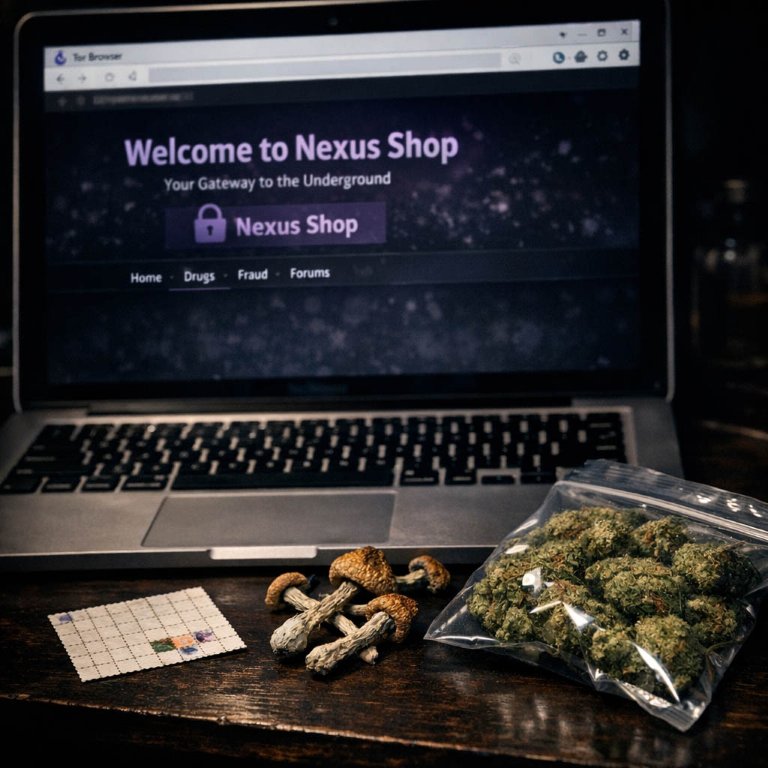
How Darknet Markets Build Trust with Escrow and Reviews
The operational security and transactional reliability of darknet marketplaces are fundamentally enabled by two intertwined systems: escrow services and community-driven feedback. These mechanisms directly address the inherent challenges of anonymous commerce, creating a self-regulating environment where trust is algorithmically and socially enforced.
Escrow acts as a neutral third party, holding a buyer's cryptocurrency payment until the ordered goods are received and confirmed. This simple process prevents common fraud scenarios. A seller cannot receive funds without shipping the product, and a buyer cannot receive a product without the payment being secured. The funds are released from escrow only after the buyer finalizes the order, which typically occurs after a predetermined auto-finalize timer expires unless a dispute is opened. This system incentivizes honest conduct from both parties, as the seller's revenue is contingent upon successful delivery and the buyer's funds are protected until satisfaction is verified.
The escrow mechanism is complemented and validated by a transparent review system. After a transaction, buyers leave detailed feedback on product quality, shipping speed, and stealth, often accompanied by a numerical rating. This generates a reputational score for each vendor, which is publicly visible. A vendor with a long history of positive reviews and a high score is statistically a safer choice, as their business success depends on maintaining this reputation. Conversely, a new vendor or one with mixed feedback presents a higher, calculable risk. This creates a competitive market where quality and reliability are rewarded with more business, encouraging high standards.
These systems form a synergistic loop. Escrow ensures the physical transaction can be completed safely, while the review system provides the qualitative data needed to make an informed choice before the escrow is even funded. The entire process is protected by strong encryption, which anonymizes the identities of all participants while allowing their transactional reputations to be built and assessed. This framework demonstrates how decentralized networks can facilitate secure and private trade through clever application of cryptographic tools and game theory, rather than through centralized authority.
How Darknet Markets Make Buying Safer
The operational framework of darknet marketplaces is designed to facilitate secure transactions between strangers. This system relies on two interconnected mechanisms: escrow services and a transparent review system. When a buyer places an order, the cryptocurrency payment is held in escrow by the marketplace. The funds are only released to the vendor after the buyer confirms satisfactory receipt of the product. This prevents common fraud scenarios where a vendor might accept payment without shipping the goods.
The escrow model is reinforced by a comprehensive feedback and review platform. Buyers publicly rate their purchases based on criteria such as product quality, shipping speed, and stealth of packaging. These reviews create a persistent reputation score for each vendor, which is a critical metric for new buyers. A vendor with a long history of positive feedback has a strong incentive to maintain high standards to preserve their business standing. Conversely, a new or poorly reviewed vendor faces market pressure to improve or will see their sales diminish.
This combination of financial security and social proof transforms the anonymous environment into a functional market. The escrow system mitigates the financial risk of the transaction, while the review system mitigates the quality risk. For the consumer, this results in a safer shopping experience where informed decisions can be made based on the documented experiences of previous customers. The market self-regulates through these tools, promoting reliable vendors and marginalizing those who fail to meet community expectations.