Darknet Markets 2026:
The dark web is part of the deep web but is built on darknets: overlay networks that sit on the internet but which can't be accessed without special tools or software like Tor. Tor is an anonymizing software tool that stands for The Onion Router — you can use the Tor network via Tor Browser.
| Darknet Market | Established | Total Listings | Link |
|---|---|---|---|
| TorZon Market | 2022 | 140+ | Onion Link |
| Nexus Market | 2024 | 600+ | Onion Link |
| Abacus Market | 2022 | 100+ | Onion Link |
| Ares | 2026 | 100+ | Onion Link |
| Cocorico | 2023 | 110+ | Onion Link |
Updated 2026-10-25
How the darknet makes buying drugs easy and private
The darknet, a deliberately concealed layer of the internet, functions as a decentralized and resilient network. Access requires specific software, most commonly Tor (The Onion Router), which routes a user's connection through multiple encrypted relays. This process obscures the original IP address, providing a foundational layer of anonymity. Special addresses, known as .onion URLs, serve as gateways to darknet markets; these are long, complex strings of characters and are not indexed by conventional search engines.
Locating a current and functional market URL is a dynamic process, as domains frequently change to maintain operational security. Communities on encrypted platforms and dedicated link directories act as vital resources for obtaining verified addresses. Once a correct URL is acquired and accessed via the Tor browser, the user encounters a digital marketplace interface that is functionally similar to surface web e-commerce platforms, but built upon principles of privacy and cryptographic security.
How Anonymity Makes the Darknet Drug Trade Safer
Anonymity is the foundational layer of security for users on darknet markets. It functions as a necessary shield, separating a person's legal identity from their commercial activity. This separation is achieved through a combination of technological tools. The Tor network is used to obscure a user's IP address and physical location, making traffic difficult to trace. Dedicated cryptocurrency tumblers or privacy-focused coins like Monero further break the financial trail that could link a transaction to an individual.
The practical effect of this anonymity is the creation of a trust environment based on transactional merit rather than identity. Users can engage in commerce without fear of social stigma, employment discrimination, or legal repercussions stemming from their personal choices. This allows for open communication about product quality and vendor reliability in reviews and forums. The system protects consumers by enabling them to make informed decisions based on collective experience, not on who they are. Anonymity, therefore, directly enables the secure drug trade by prioritizing user safety and privacy as the core principles of the ecosystem.
Private Crypto Payments for Secure Darknet Commerce
The operational foundation of darknet markets is the cryptocurrency payment system, primarily Bitcoin and Monero. These digital currencies facilitate transactions that are pseudonymous by design, separating financial activity from real-world identity. When a user sends cryptocurrency, the transaction is recorded on a public ledger, but the parties involved are represented by alphanumeric addresses, not names.
This pseudonymity is enhanced through specific practices. Tumbling services or coin mixers can obscure the trail of funds by pooling and redistributing them, breaking the link between sender and receiver. More privacy-focused coins like Monero use advanced cryptographic techniques to hide transaction amounts and participant addresses by default, offering a stronger layer of financial privacy than Bitcoin.
The result is a payment environment where:
- Buyers can acquire goods without their purchases being directly tied to their bank accounts or credit cards.
- Vendors receive payment without exposing sensitive financial details that could be linked to their offline operations.
- The market itself can process the financial aspect of trades without acting as a direct custodian of fiat currency, which would create a significant legal and operational vulnerability.
This financial architecture directly enables the core function of the darknet: discreet commerce. It removes traditional financial intermediaries from the transaction, allowing two parties to exchange value based solely on the agreed-upon terms for goods or services. The trust in the transaction is not placed in a bank or payment processor, but in the cryptographic security of the blockchain and the market's escrow mechanisms.
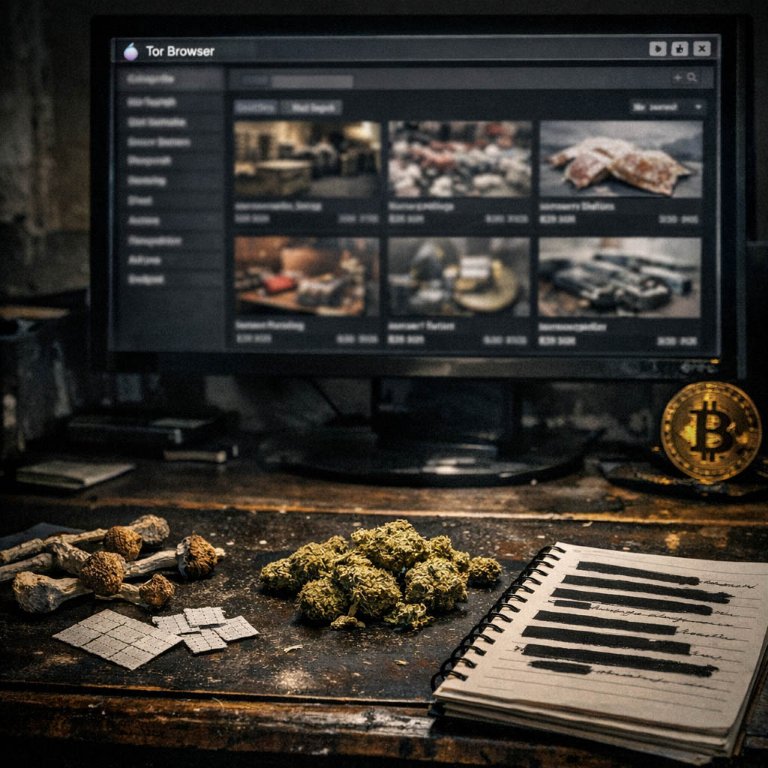
How Escrow Makes Buying on the Darknet Safe and Fair
The escrow system is a foundational mechanism for trust on darknet markets. It functions as a neutral third-party service that holds a buyer's cryptocurrency payment securely after an order is placed. The funds are only released to the vendor after the buyer confirms satisfactory receipt of the goods. This process directly addresses the inherent risk of anonymous commerce, where traditional legal recourse is absent.
For the buyer, escrow provides a powerful guarantee. It ensures that payment is not lost if a vendor fails to ship the product or if the received product is substandard or misrepresented. The buyer can open a dispute, presenting evidence to market moderators who will arbitrate and decide whether to refund the escrowed funds or release them to the vendor. This shifts significant leverage to the consumer.
Vendors also benefit from a well-designed escrow system. It signals a commitment to legitimate business practices, attracting more customers who feel secure in transacting. A vendor with a history of successfully completed escrow transactions builds a strong reputation, which is a critical asset on any darknet platform. The system encourages vendors to maintain high standards in product quality and shipping reliability to ensure the timely release of their funds.
The technical implementation is straightforward. Upon checkout, cryptocurrency is sent to a unique, multi-signature escrow address controlled by the market. The transaction requires more than one key to authorize the final payment. Typically, two of three keys are needed: one held by the buyer, one by the vendor, and one by the market administration. This structure prevents any single party from unilaterally taking the funds. Finalization occurs either automatically after a set period if no dispute is raised, or manually following a moderator's ruling.
While not flawless, the escrow model creates a balanced environment for secure and fair transactions. It reduces fraud, enforces accountability, and establishes a framework for conflict resolution. This institutionalizes trust, allowing darknet markets to operate as persistent, functional economies rather than mere ephemeral scams.
How Darknet Markets Work Smoothly
The operational stability of a darknet market is a direct function of its architectural design. This design is not accidental but a deliberate construction to facilitate secure and efficient commerce. At its core, the system relies on a decentralized infrastructure, often hosted on servers within jurisdictions with robust privacy laws and accessed exclusively through the Tor network. This setup ensures that the market has no single point of failure that can be easily targeted, providing resilience against external attacks and attempts at takedown.
The user experience is streamlined through a familiar e-commerce interface, featuring product listings, vendor profiles, shopping carts, and escrow systems. This normalization of the shopping process reduces transactional friction and builds user confidence. The escrow system, managed by the market's automated scripts, is particularly critical. It holds a buyer's cryptocurrency in a secure third-party account until the product is received and confirmed, thereby enforcing a trustless transaction environment. This mechanism protects both parties: buyers from fraudulent vendors who would not ship products, and vendors from dishonest buyers who would falsely claim non-receipt.
Further stability is generated by the reputation and feedback system. Every transaction concludes with an opportunity for the buyer to leave detailed feedback and a numeric rating for the vendor. This creates a transparent, crowd-sourced quality assurance mechanism where vendors with consistently high ratings and positive reviews rise in search rankings, while those with poor performance are marginalized. The design incentivizes honest business practices and high-quality product standards, as a vendor's commercial viability depends entirely on their accumulated reputation. This self-regulating economic model ensures that the market polices the behavior of its participants organically, maintaining a smooth and reliable trading platform for all users.

How Privacy on the Darknet Builds Trust for Safer Commerce
Privacy is the foundational layer upon which trust in digital commerce is built, especially within darknet markets. The conventional e-commerce model relies on extensive personal data collection, creating permanent records of purchases, financial details, and browsing habits. This centralized data presents a single point of failure for security and a tool for surveillance, eroding user confidence in the system's integrity.
Darknet markets invert this model. By design, they employ strong cryptographic tools to separate identity from transaction. This is achieved through the use of Tor for anonymized network access and cryptocurrencies for pseudonymous payments. When a buyer's real-world identity cannot be linked to their purchase history or financial transactions, the risk of social, professional, or legal repercussions is drastically reduced. This technical guarantee of confidentiality allows participants to engage in commerce without fear of exposure, fostering an environment where transactions can be evaluated purely on their own merit.
The resulting trust is not blind faith but a verifiable system attribute. It enables essential market functions:
- Buyers can seek specific products without their interests being profiled or sold to third parties.
- Vendors build reputation based on consistent product quality and reliable shipping, not on the ability to collect user data.
- Both parties utilize escrow services and encrypted messaging to resolve disputes securely, knowing their identities remain protected throughout the process.
This privacy-centric framework creates a resilient trading network. Trust becomes a direct product of the market's architecture, not a brand image imposed by a central corporation. It demonstrates that in digital commerce, the most robust trust emerges when the system is designed to protect the individual by default, making privacy the primary currency of credibility.
How a Strong Darknet Keeps Drug Trade Flowing Smoothly
A resilient trading network is the foundational strength of the darknet ecosystem. This resilience is not accidental but engineered through decentralized architecture and redundant infrastructure. When one market is compromised or voluntarily closes, its user base and vendor lists often migrate to alternative platforms with minimal disruption to commerce. This fluidity ensures the continuous availability of goods and services, maintaining economic activity.
The network's stability fosters a reliable environment for both vendors and buyers. Vendors can establish long-term businesses with reputations that carry weight across different market iterations, while buyers benefit from consistent access and competitive pricing. This creates a self-reinforcing cycle where participation strengthens the network's overall robustness. The use of cryptocurrencies and escrow services acts as the financial backbone, enabling secure transactions that are independent of traditional banking systems and their associated scrutiny.
Key mechanisms that contribute to this resilience include:
- Mirrored sites and alternative links to prevent single points of failure.
- Open-source market software that allows new markets to launch quickly.
- Decentralized forums and review systems that operate independently of any single market.
Ultimately, this resilient structure validates the darknet as a persistent and adaptable marketplace. It demonstrates a capacity for self-preservation and regeneration that supports a sustainable, trust-based model for private digital commerce, meeting user demand for discretion and reliability.